


At this stage, a person’s BAC will range from 0.25 to 0.4 percent. Their blood alcohol content (BAC), which measures how much alcohol is in the bloodstream, will be very low at 0.01 to 0.05 percent. If you think someone is experiencing alcohol poisoning, seek emergency medical attention immediately. Central to hepatitis development is the activation of KCs, the resident liver macrophages. Ethanol (i.e., ethyl alcohol) is oxidized principally in hepatocytes of the liver.
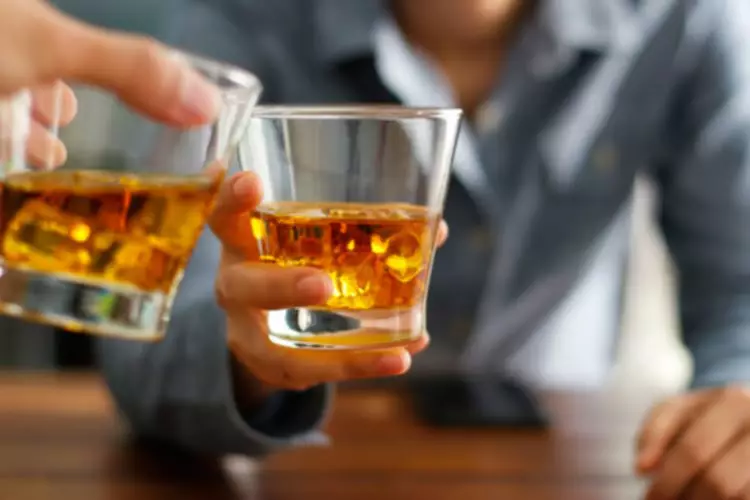
- Despite the variability between individuals, there are some predictable stages of drunkenness through which a person may progress, depending on their blood alcohol content (BAC), as their drinking episode continues.
- This tipsiness begins when alcohol enters the body’s bloodstream and starts to affect the functions of the brain and body.
- Even after a person is released from hospital care, it can take up to a month for them to feel normal again.
- In the beginning the Prophet (peace be on him) even forbade the use of vessels in which intoxicating drinks had either been made or served.
- In the emergency room, a doctor will check their BAC and look for other signs of alcohol poisoning, such as a slow heart rate and low blood sugar and electrolyte levels.
- Choking, seizures, dehydration, circulatory issues, and brain damage are among the health effects caused by alcohol poisoning.
- In terms of amount, it doesn’t take much to begin feeling the effects of intoxication.
Understanding the Stages of Alcohol Intoxication
They offer inpatient, partial inpatient and outpatient treatment options. Someone in this stage usually needs immediate medical help to survive. People who are left to “sleep it off” may end up experiencing hazardously slowed breathing or complete respiratory arrest, or they may aspirate on their own vomit.
Alcoholism Resources and Programs
For some, it can be something as benign as sending a message to an ex. For others, however, it can be something as dangerous as a decision to drive home. This decision, coupled with a decrease in motor function, coordination, and reaction time, leads to many car crashes. Around 30 people per day die from drunk-driving accidents in the United States. At a BAC of 0.05 or less, the individual is unlikely to appear intoxicated.
Treatment Options/Resources for Alcohol Misuse & Addiction

Its authors explain that people may judge the severity of their intoxication based on how drunk people around them are, which distorts their perceptions in environments where most people are drunk. Heavy drinking tends to cause more serious intoxication and may eventually cause serious health issues, such as blackouts or kidney failure. According to the 2015 National Survey on Drug Use and Health, 70.1% of adults in the alcoholism treatment United States report drinking alcohol during the past year. They do not know what is going on and cannot remember what happens, making it very dangerous. Deficiencies in motor function and coordination become more pronounced in this stage. People may start behaving with less restraint, and judgment may now be askew.
The changes can endure long after a person stops consuming alcohol, and can contribute to relapse in drinking. A person is sober or low-level intoxicated if =https://ecosoberhouse.com/ they have consumed one or fewer alcoholic drinks per hour. Completely unconscious, a person’s body temperature will fall, breathing will gradually become shallow, circulation will slow down, muscles will cease functioning, and their gag reflex will be gone. Needless to say, the individual’s life is in danger at this stage. It is often dangerous and nearly impossible for a person with severe AUD to recover on their own.
Mechanisms Involved in Alcoholic Steatosis
Find support for yourself and other family members in a rehab family program. Go to an Al-Anon or Alateen meeting or set up an appointment with a mental health professional. At the end of the day, the person with addiction has to be willing to accept help.
- They pointed out that the people of their region would not accept this, to which the Prophet (peace be on him) replied that they should fight them.
- Delaying emergency care increases the risk of serious health issues, including death.
- Its authors explain that people may judge the severity of their intoxication based on how drunk people around them are, which distorts their perceptions in environments where most people are drunk.
- If you believe someone is significantly intoxicated, the first thing to do is to remove any additional alcohol from their immediate surroundings so they can’t continue to drink.
Learning Center
During the recovery period, a person may experience a depressed mood and appetite, discomfort, and memory problems. Even after a person is released from hospital care, it can stages of alcohol intoxication take up to a month for them to feel normal again. It may seem like a person has to drink a lot to get to this stage. But if a person drinks very quickly, they can get to this stage before long.
Call and speak to a treatment provider today and find a treatment program to guide you back to the person you want to be. Get professional help from an online addiction and mental health counselor from BetterHelp. For example, a BAC of 0.05 means that the person’s blood is 0.05% alcohol.

There are multiple mechanisms by which alcohol potentiates HCV-infection pathogenesis. For example, HCV proteins induce oxidative stress by binding to the outer membranes of mitochondria, stimulating electron transport and increasing the generation of cellular ROS (e.g., superoxide) (Otani et al. 2005). Ethanol-induced oxidative stress also causes mutations in the HCV genome that increase resistance to interferon (IFN) treatment, the former standard of care for HCV (Seronello et al. 2011). Only 9 percent of HCV-infected people with alcohol use disorder respond to IFNα therapy.
- Another person asked insistently whether or not an intoxicant could be used as medicine.
- Among problem drinkers, only about 35 percent develop advanced liver disease.
- Alcohol abuse also causes thousands of fatalities each year.
- In terms of quantity, it doesn’t take much to begin experiencing the repercussions of intoxication.
- HSCs normally reside in the space of Disse as quiescent, lipid (retinyl-ester)-storing cells.

This results in fewer, more defective lysosomes (Kharbanda et al. 1995, 1996), thereby slowing the breakdown of lipid droplets in the steatotic liver. Illustration of “standard drinks” in order of increasing ethanol content among currently available alcoholic beverages. According to the National Institute on Alcohol Abuse and Alcoholism, the amount of beverage containing approximately 14 g of pure ethanol is defined as a standard drink.

Leave A Comment